Marlinspike Hitch: The Best Knot for Wire Pulling Handles
If you’ve ever caught yourself furiously wrapping mule tape around a piece of scrap conduit—only for it to slip, twist, and turn into a tangled mess once you apply tension—this guide is for you.
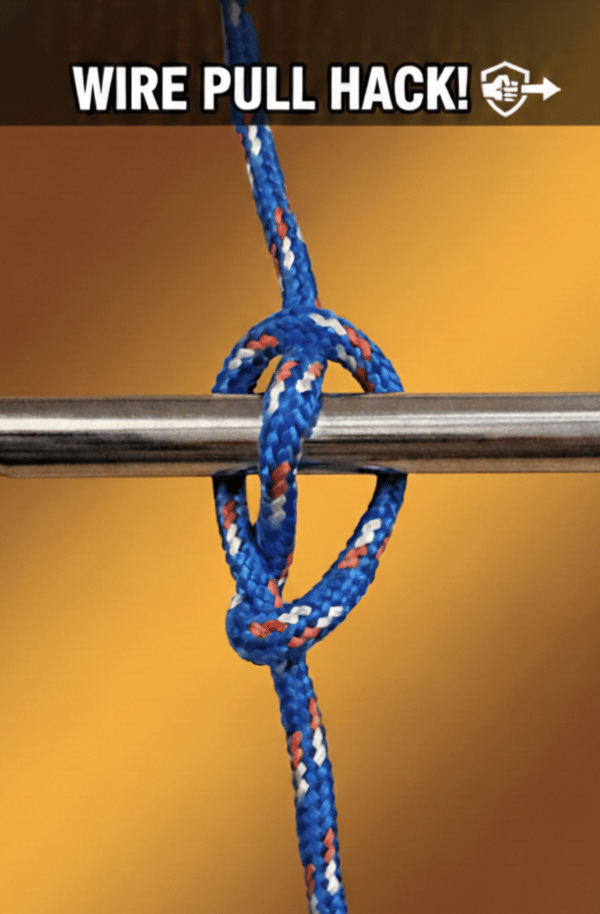
The Marlinspike Hitch is the "work smarter, not harder" solution for electricians. It allows you to quickly attach a temporary handle to a rope or line, increasing your pulling force while saving your hands from the "cheese-cutter" effect of thin rope or mule tape.
Why Use This Instead of a Standard Wrap?
Using the Marlinspike Hitch for wire pulling offers three major advantages over "the old way":
Just for fun:
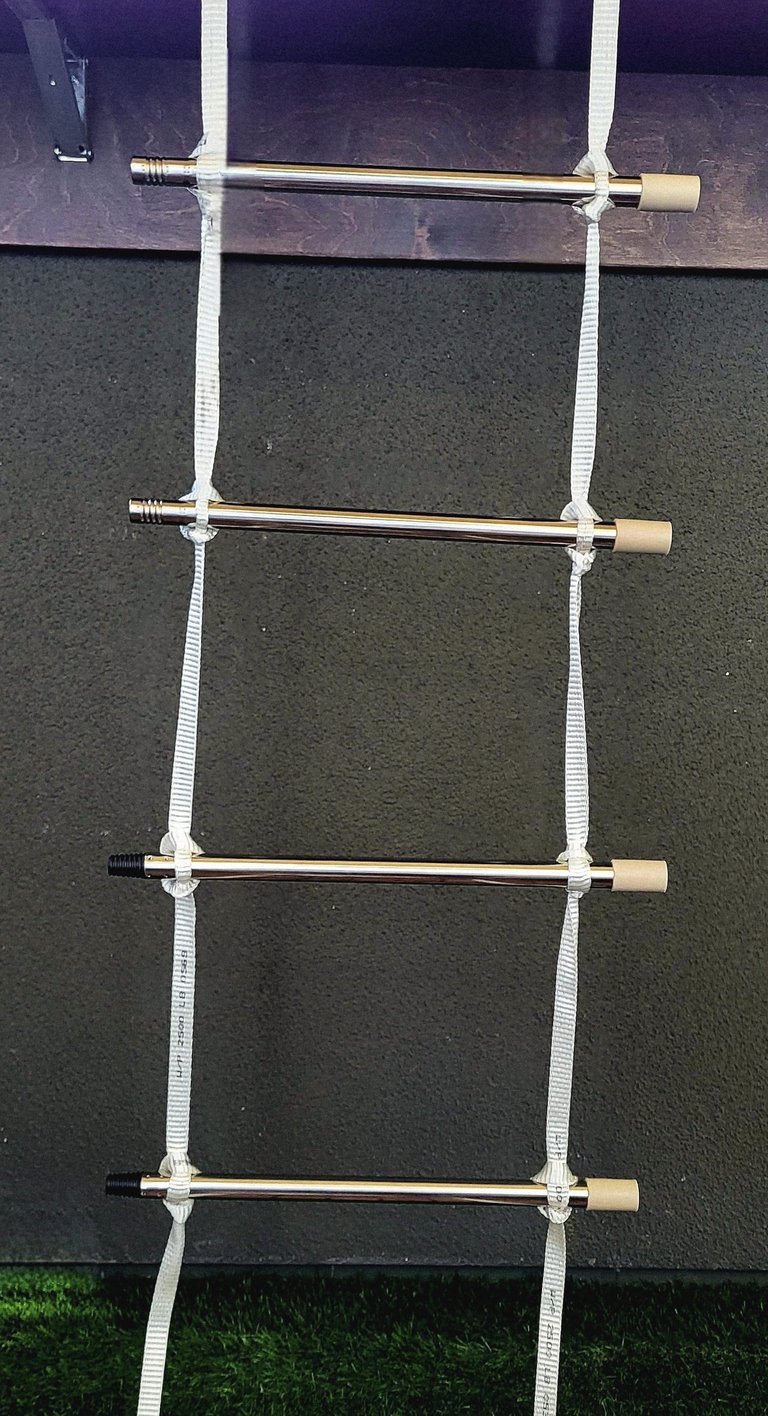
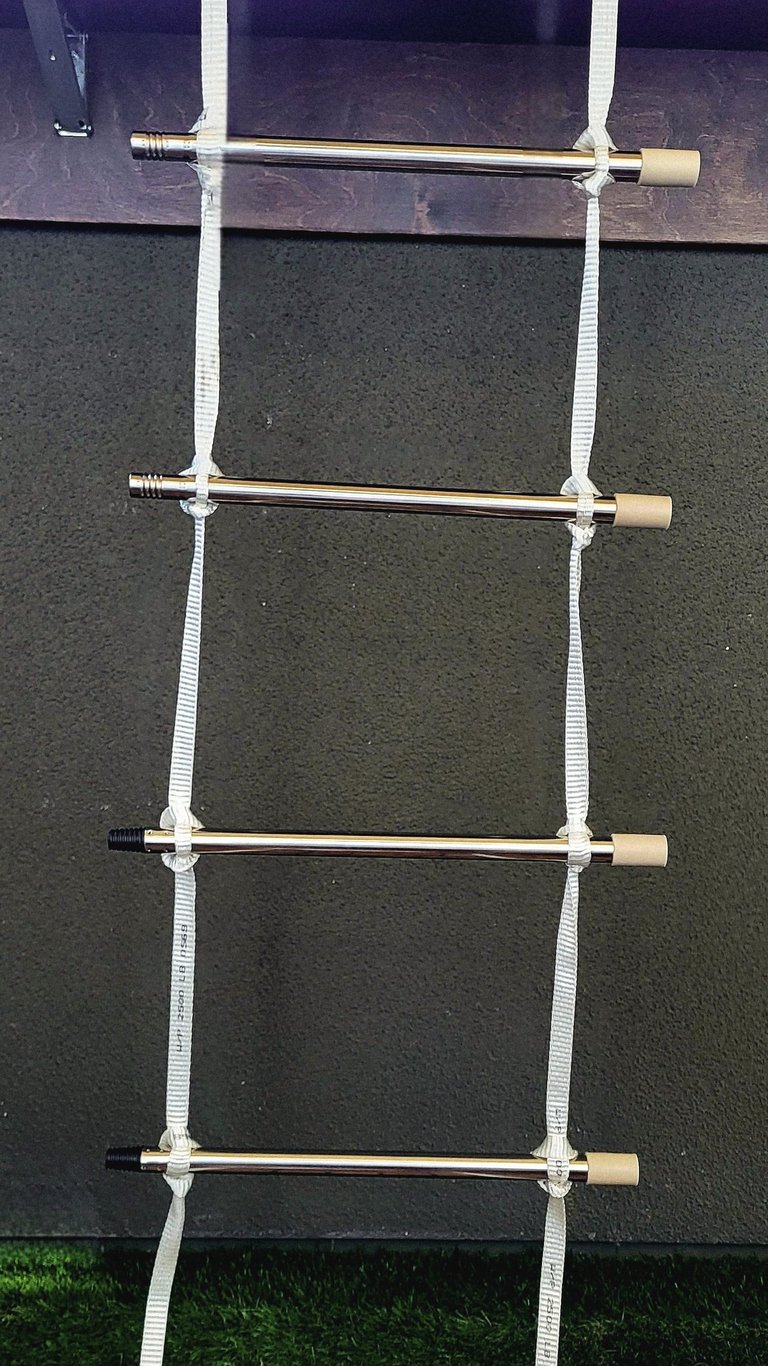
Beyond wire pulling, the Marlinspike Hitch is the foundation for creating a traditional rope ladder. By tying a series of these hitches onto short lengths of board or pipe, you can create sturdy rungs in seconds. While this makes for a great decorative piece or a fun addition to a backyard treehouse, please note: this is not a substitute for a certified ladder. Never use a homemade rope ladder for professional work, life safety, or fall protection.

Scaling Your Force: Multi-Person Pulls
One of the best features of using a Marlinspike Hitch handle is that you aren't limited to a one-man pull. For heavy runs, you can use a longer piece of rigid conduit or a thick pry bar as your 'spike' to allow two or more people to grab on. This allows two or more people to have actual elbow room and keeps the front person from getting their hands pinched in the rope by the person behind them.
Critical Strength Note: When setting up a multi-person pull, ensure your handle material is up to the task. Standard 1/2" EMT can easily bend or snap under the combined force of two grown men. Always use a heavy-wall pipe, strut, or a solid wooden handle that won't flex, as a snapped handle under tension can cause a serious 'snap-back' injury or lead to a dangerous fall.
How to Tie:
Learning how to tie a temporary rope handle properly will save you time on every pull. This hitch is unique because it is effectively a slip knot that has been "stopped" by your handle.
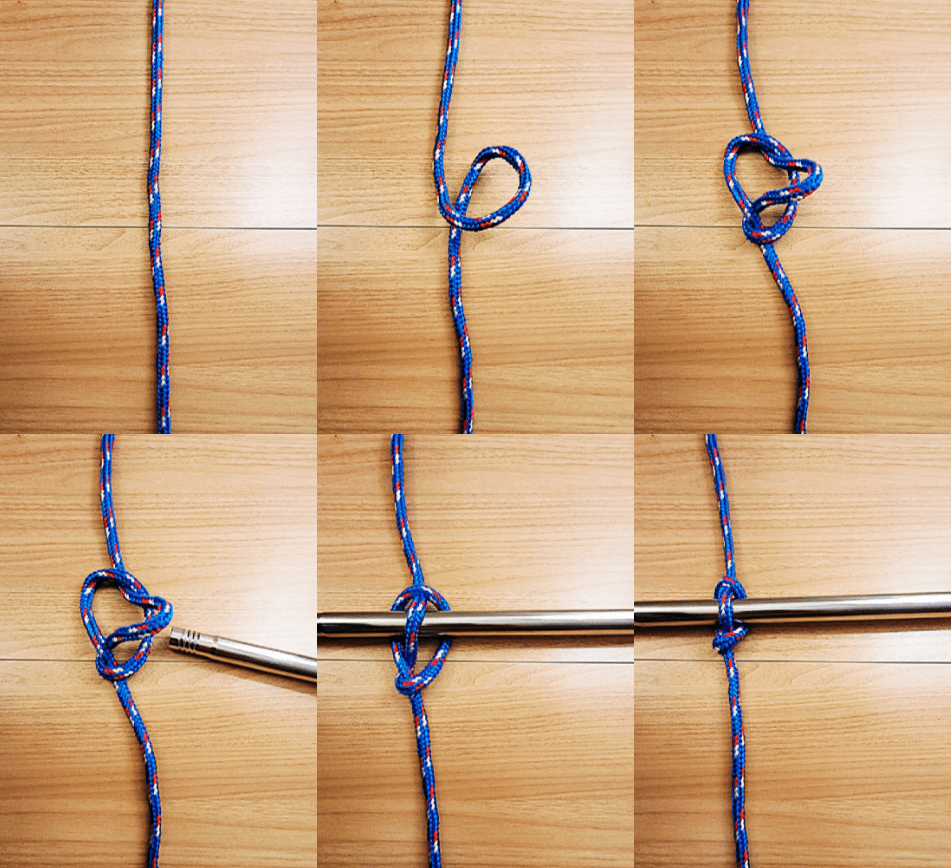
Form an Overhand Loop: Create a simple loop in the standing part of your line.
Fold the Loop: Fold the loop over the standing part of the rope.
Pull a Bight: Reach through the loop and pull a small section (a bight) of the standing line through.
Insert Your Handle: Slide your pipe or board through that bight.
Dress and Tighten: Pull both ends of the rope to snug the knot against the handle.
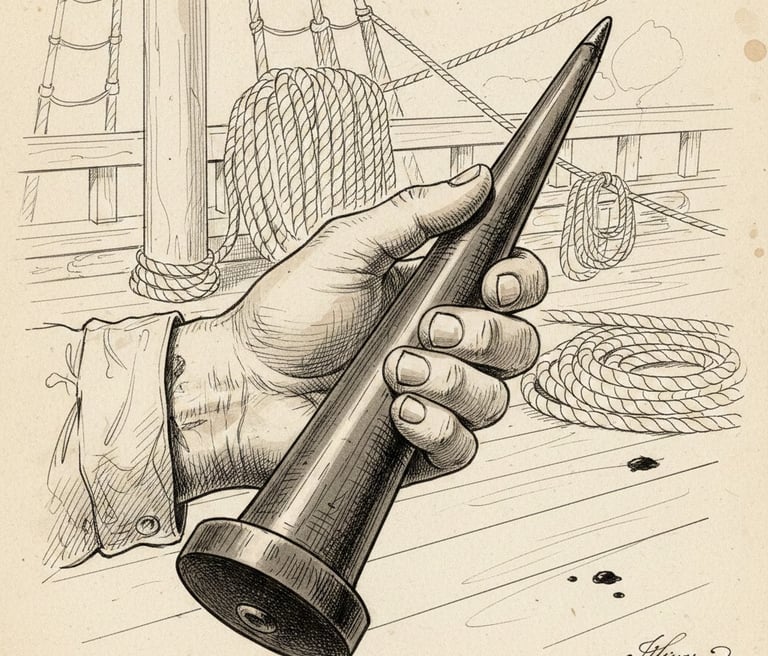
What is a Marlinspike?
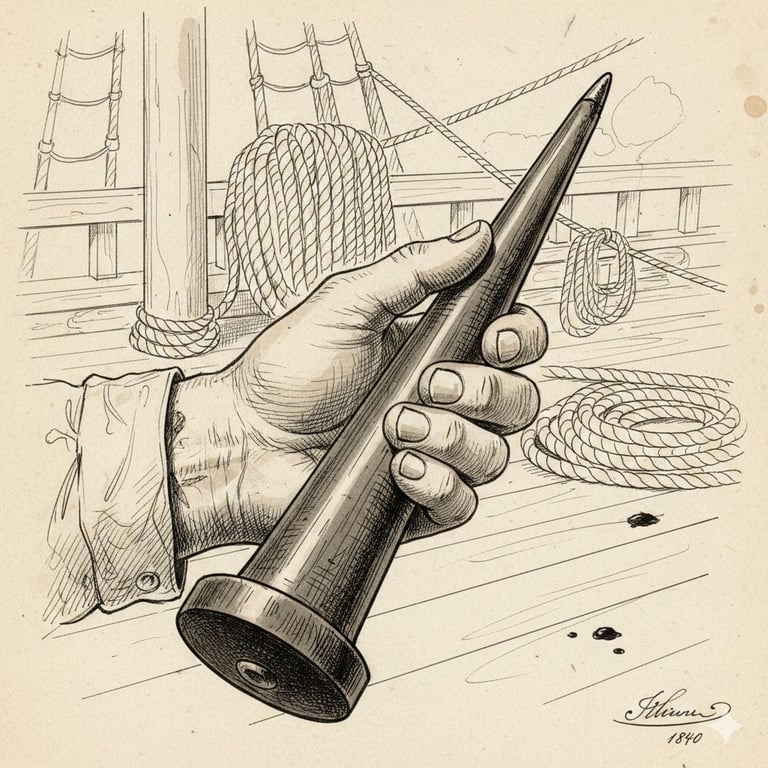
Before it was a knot, the Marlinspike (or Marlingspike) was—and still is—a vital tool for sailors and riggers. It is a polished, tapered metal or wooden pin used to:
Unlay rope strands for splicing.
Pry apart tight, salt-crusted knots.
Act as a lever when tightening lashings.
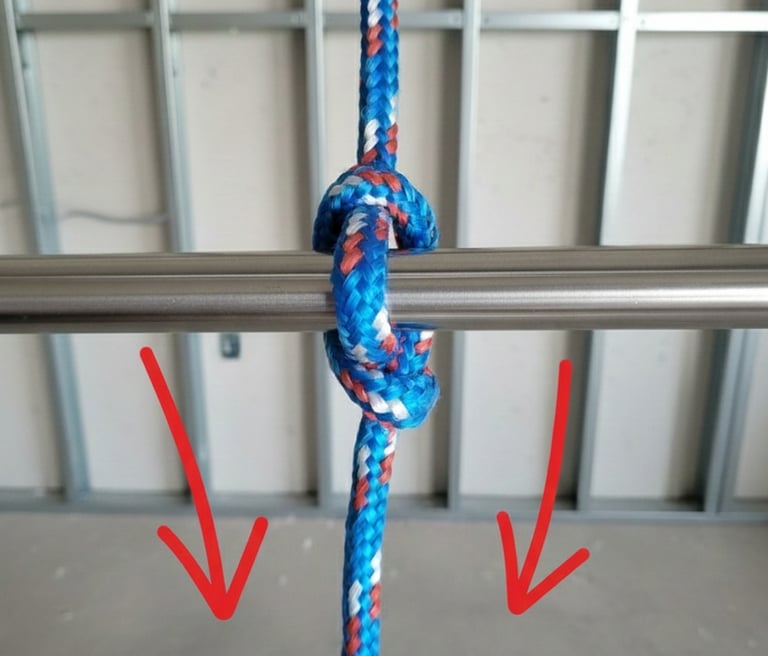
In the Marlinspike Hitch, your handle (pipe, board, or rod) acts as the "spike" itself. The hitch is designed so that the harder you pull, the tighter the rope grips the tool, yet it remains incredibly easy to "trip" and release once the tension is gone.
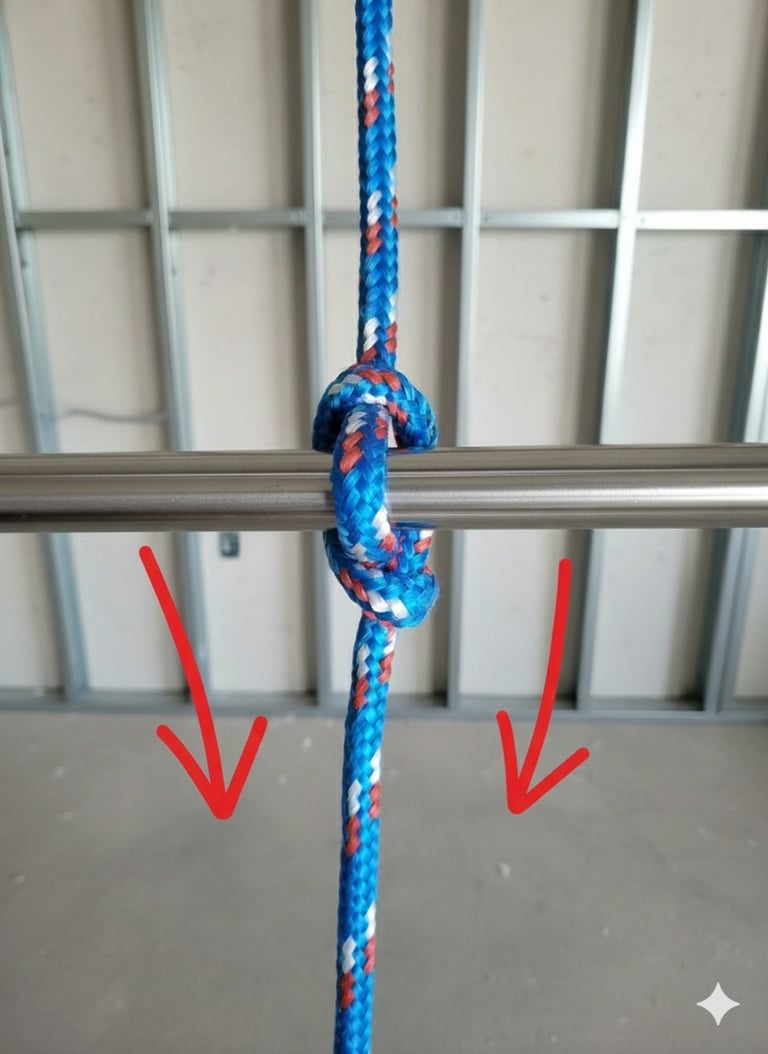
Pro-Tip for Electricians: When wire pulling, ensure the tension is on the side of the hitch with the fewest twists. If you pull from the wrong side, the hitch will simply collapse into a slip knot. If it slips, just re-tie and pull your bight from the other direction!
Stop struggling with jammed knots and wasted rope! The Marlinspike Hitch is one of those "secret weapon" knots that separates the pros from the rookies on a high-stakes pull. Interestingly, once you master this hitch, you are only one flick of the wrist away from the most famous knot in the world; by using the "snap method," you can actually turn a Marlinspike into a Bowline in a single second. For more pro-level techniques that will save your gear and your hands, check out my guide on the Top 10 Knots Every Electrician Should Know. Now, grab a piece of scrap conduit, practice that snap, and tie some great knots!
Safety Disclaimer: ⚠️ Material Handling Only
The knots and techniques demonstrated on this site are intended strictly for material handling, wire pulling, and equipment securement. > Never use these hitches and knots for life safety, fall protection, or overhead lifting of loads where a failure could result in injury or death. Always use OSHA-compliant, load-rated hardware (harnesses, shackles, and slings) for critical lifts. Your safety team is there for a reason—consult them for high-risk tasks. Master the craft, stay out of pinch points, respect the load, and live to tie knots another day.
Questions or tips? Reach out anytime. I would love to hear about new knots and techniques.
Check out my YouTube channel for knot tying, rigging tips, and other electrician related tutorials.
© 2025. All rights reserved.
I made this website by myself with Hostinger Website Builder. Try it and start building your idea, today.